MWAC Food Safety Solutions
Commercial hygiene experts located in Brampton ensure restaurants, food distribution facilities, baking enterprises, warehouses, and food service vehicles to sanitation standards. They treat frequently handled areas, food-contact areas, equipment, floors, drains, restrooms, and food handling areas with certified chemicals, in correct dilution, and with verified times.
Key Takeaways
- Brampton's sanitation professionals support restaurants, grocery departments, commissaries, warehouses, bakeries, schools, mobile vendors, and allergen-sensitive operations.
- High-touch surfaces, food-contact equipment, kitchens, floors, drains, restrooms, and storage areas are disinfected using sectional methods to reduce cross-contamination.
- Documentation of completion through checks, audits, and correction logs confirms approved specialists have validated approved sanitizer dilution, alignment, and exposure duration.
- Maintenance plans must adhere to danger, production rate, changeovers, incidents, and standards, with routine, recurring, and annual tasks distributed by zone.
- Choose contractors with hazard analysis knowledge, sanitation, competency, WHMIS, preparation, insurance, testimonials, color-categorized implements, and compliance-ready hygiene files.
What Brampton Venues Require Food Safety Cleaning?
Any Brampton facility that processes, stores, prepares, packages, or distributes food needs food safety cleaning. You must apply it if your establishment falls under public health inspection, food premises regulations, or internal HACCP-based controls. That requirement covers eateries, dining facilities, food distribution centers, supermarket departments, meat markets, fish counters, corner stores, and commercial kitchens.
You'll equally need adherent sanitation standards in distribution warehouses, production plants, frozen storage areas, commercial bakeries, educational meal programs, banquet venues, and food delivery services. Seasonal and mobile ventures matter as well, like catering trucks, festival vendors, and pop-up food booths. Should your workers process ingredients, portion ready-to-eat items, reheat products, or store allergens, your venue requires written cleaning standards. In Brampton, sanitation is mandatory; it forms lawful, operational, and customer protection standards.
What Do Brampton Cleaning Professionals Handle?
Your facility requires professional cleaners who sanitize all high-touch areas, cooking and food prep areas, floors, and restrooms for food safety and health code adherence. These specific areas are emphasized because they represent the most significant contamination risk, trip and slip dangers, and violations of hygiene standards.
If you comprehend their cleaning services, you'll successfully ensure your operation satisfies required operational and regulatory standards.
Essential High-Touch Surface Disinfection
develop a sterilization plan
company specifications and applicable food safety standards to sustain proper function. Professionals can apply sample analysis to verify sterilization efficacy
Kitchens, Floors, and Restrooms
Professional cleaners in Brampton concentrate on kitchens, floors, and restrooms given that each location involves specific contamination control, falling hazards, and health code requirements. In industrial kitchens, you need grease removal from cooking stations, appliance surfaces, drain systems, preparation areas, and backsplashes to minimize bacterial growth and pest activity.
You should also expect documented floor care. is also provided as part of the service.
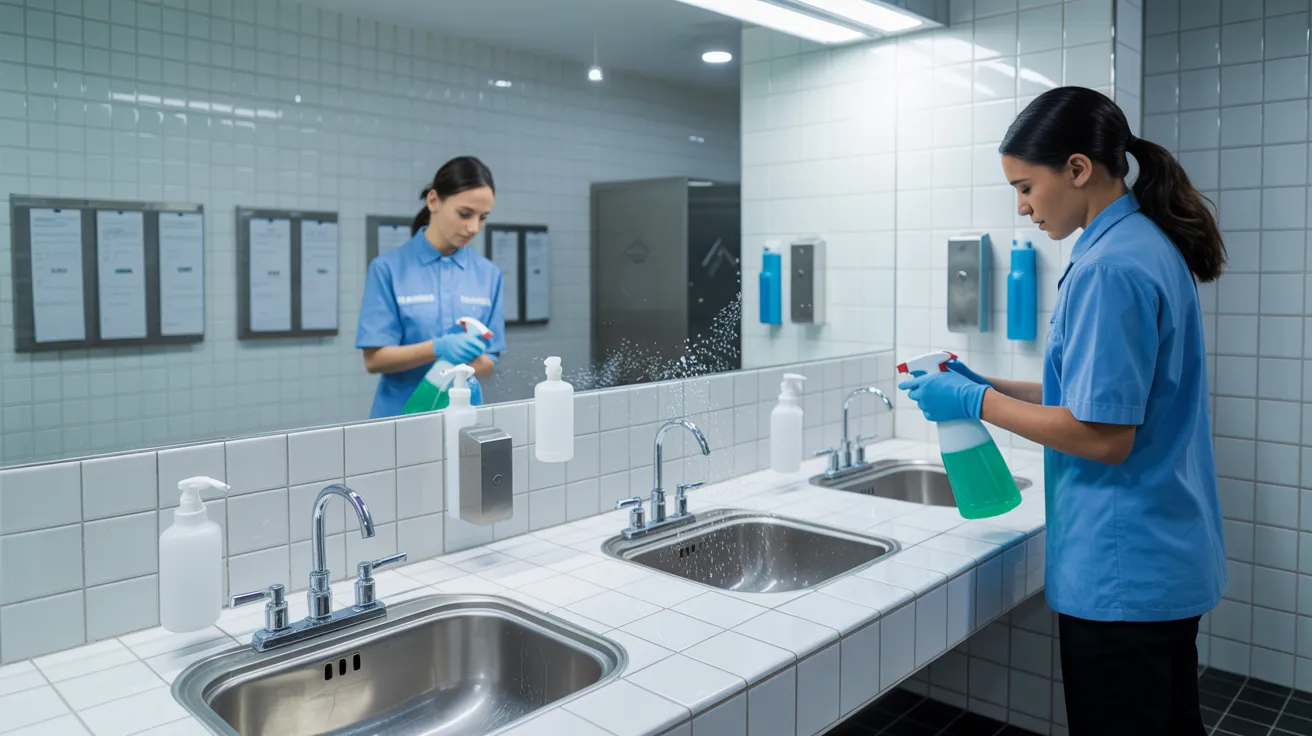
For restroom sanitation, cleaners sanitize high-touch surfaces, bathroom fixtures, stall dividers, supply dispensers, and trash receptacles, then refill items and eliminate smells. They also service restaurant moprooms, where chemical storage, sink hygiene, and drainage conditions can affect sanitation compliance and staff safety daily.
Why Food Safety Cleaning Matters in Brampton
Brampton businesses need to implement proper sanitation practices for meeting legal standards and passing inspections. You also minimize bacterial spread through proper cleaning of food-preparation surfaces, appliances, and frequently-touched items. Most importantly, you safeguard community wellness by reducing the chance of food poisoning in your establishment.
Regulatory Code Requirements
Since Brampton food establishments must follow stringent health requirements, your sanitation practices directly affects your capacity to satisfy health codes, ensure the safety of diners, and avoid regulatory penalties. You must maintain hygienic food handling zones, written maintenance records, correct sanitizer application, and documented employee protocols that comply with municipal and provincial inspection expectations.
Thorough sanitation measures supports allergen control by limiting residue on shared equipment plus high-touch areas. If your cleaning standards deteriorate, you expose yourself to notices, remedial directives, brand harm, and potential service suspension during subsequent audits or enforcement reviews.
Cross-Contamination Prevention
Following health code standards depends on your ability to prevent cross-contamination in routine food work and sanitation. You must separate raw ingredients from ready-to-eat foods, disinfect work areas after use, and store chemicals away from food-contact items. Clear procedures reduce transfer risks and promote steady regulatory adherence.
Implementing allergen separation helps keep priority allergens from contacting shared surfaces, containers, or equipment. Deploy dedicated cutting boards, color-coded tools, and strict utensil labeling so workers don't combine products during preparation or service. Require handwashing after handling raw meat, seafood, eggs, or allergen-containing products. Replace wiping cloths regularly, and verify sanitizer strength with test strips. When you train staff to follow these controls per shift, you create a cleaner, safer operation that satisfies Brampton's food safety needs daily.
Public Health Safeguarding
When sanitation efforts deteriorate, you don't only face inspection setbacks—you raise the likelihood of foodborne illness affecting customers, staff, and the larger Brampton community. You also undermine your responsibility in safeguarding community wellness, especially in busy food facilities where pathogens travel quickly through surfaces, equipment, and touchpoints.
You require cleaning protocols that eliminate soils, disinfect appropriately, and validate outcomes. This involves maintaining contact periods, selecting approved disinfectants, documenting procedures, and educating staff to meet regulatory requirements. These measures prevent illness spread by minimizing pathogens before contaminating food or hands. Throughout Brampton, effective sanitation safeguards susceptible populations, reduces outbreak risk, and proves your diligence. When you follow proper protocols, you exceed regulations—you mitigate risk and facilitate secure food handling region-wide.
Why Is Cleaning Essential for Food Safety Compliance?
Maintaining strict sanitation practices strengthens food safety compliance by reducing contamination risks, preventing pathogen multiplication, and keeping your facility meeting sanitation requirements under HACCP-based programs and public health regulations. You validate that product-contact areas appear visibly clean and microbiologically controlled, facilitating documented preventive controls and inspection readiness.
Comprehensive cleaning additionally reinforces allergen control by extracting residues that can cause undeclared allergen exposure. When you pair verified sanitation methods with safety training, your staff can follow consistent approaches, handle approved chemicals accurately, fill out documentation thoroughly, and respond to discrepancies prior to problems worsen. Regular cleaning supports audit trails, verifies remedial measures, and proves due diligence throughout audits. Additionally, it assists you safeguard product quality, sustain regulatory compliance, and decrease the risk of punitive measures, product recalls, grievances, and unnecessary public health risks.
How Ought You Plan Commercial Cleaning Work?
cleaning routines or between production runs wherever food contact surfaces, restrooms, and frequently touched surfaces
Schedule seasonal thorough cleaning for shutdowns, weather-related soil buildup, or pest-pressure periods
What Should You Look For in Brampton Cleaning Experts?
Evaluate providers first by food-safe sanitation requirements rather than price alone. You must ensure each provider understands CFIA, public health, and HACCP-aligned expectations for your business. Request insurance proof, WHMIS compliance, staff training documentation, and supervision methods. Check technician awareness of cross-contamination risks, chemical handling, and documented sanitation practices.
You should further examine service consistency and accountability. Request testimonials from Brampton food businesses, then review response times, corrective-action procedures, and communication protocols. Validate the company supports supplier audits and can present inspection-ready documentation to regulators or third parties. Confirm equipment receives maintenance, colour-coded tools are applied correctly, and site-specific hazards are recognized. A qualified provider protects compliance, product quality, and your brand reputation.
What details should a Food Safety Cleaning Plan contain?
Document a plan that defines every sanitation task, standard, and responsibility before production begins. You should include cleaning schedules, approved products, ratios, contact periods, tools, and validation approaches for each area, surface, and device. Ensure you include pre-operational inspections, corrective actions, and employee training requirements.
Your plan should also address contamination prevention controls, waste handling procedures, pest management measures, and written schedules for rest areas, drains, flooring, and food-contact surfaces. Detail how you'll keep raw and ready-to-eat processes separate, support ingredient tracking, and maintain accurate allergen labeling through validated cleaning between product changes. You should set accountability, keep signed records, and assess results against regulatory standards, HACCP controls, and customer requirements. When gaps appear, update procedures immediately and retrain staff.
Commonly Requested Questions
Do cleaning services work during overnight shifts at Brampton properties?
If you manage regulated spaces, you'll also require records that support audits and ensure compliance.
Can sanitation professionals handle hazardous incidents?
Yes, you can locate Brampton cleaning professionals providing hazard containment options. They manage contamination, assess dangers, contain affected zones, and begin swift decontamination to minimize exposure and avoid operational impact. You should confirm timeframes, credentials, safety protocols, and waste procedures. If your facility must meet compliance standards, pick a provider that tracks incidents, follows procedures, and ensures audit compliance.
Do green disinfectants operate safely on food-handling equipment?
In essence, natural disinfectants are safe for food-contact surfaces provided you source disinfectants approved for food contact that satisfy regulatory compliant. Check contact duration, dilution ratios, and rinse protocols prior to application. Botanical formulations reduce toxic chemical contact, although you require confirmation of performance against specific pathogens. To keep surfaces without residue, follow precise manufacturer instructions and ensure the disinfectant meets food industry regulations.
Do sanitation programs support seasonal shifts?
Certainly, cleaning plans respond to seasonal production changes readily. Revise intervals, personnel, disinfectants, and confirmation procedures applicable information to correspond with operational cycles while sustaining regulatory requirements. Lower production downtime by timing cleaning during line changes, peak seasons, and equipment use patterns. Concurrently update standard operating procedures, instruction programs, and environmental monitoring to address seasonal hazards, new allergens, or higher contamination levels. Regular reviews maintain your program current.
Are professional cleaning companies offering employee instruction on sanitation best practices?
Yes, professional cleaning services often train your team on hygiene standards. You receive employee instruction on correct chemical application, exposure periods, cross-contamination prevention, equipment disassembly, and documentation. They generally follow instruction with HACCP, GMP, and CFIA or regional health department requirements. Many also conduct hygiene inspections to verify compliance, identify gaps, and reinforce corrective actions. This allows you to maintain consistent procedures, pass inspections, and minimize contamination hazards regularly.
Final Thoughts
Partnering with Brampton commercial cleaning and food safety experts goes beyond tidying—it ensures your facility meets inspection standards and your standards are defensible. From processing facilities to kitchens, each cleaned area and organized section lessens contamination risk and prevents major expenses. By arranging service at suitable frequencies and implementing a thorough cleaning program, you protect your workforce, clients, and your image. In a heavily regulated sector, sanitary conditions are non-negotiable—they're critical to business success.